
 Inquiry
- TEL:
- +81-3-5462-4831
- FAX:
- +81-3-5462-4835
※9:00-17:40 Mon.-Fri. (JST)



Adam A. Malik, Kyle C. Nguyen, John T. Nardini, Cecilia C. Krona, Kevin B. Flores and Sven Nelander
npj Syst Biol Appl 11, 20 (2025). | https://doi.org/10.1038/s41540-025-00492-3
Copyright © Authors 2024
This article is licensed under a Creative Commons Attribution 4.0 International License (CC BY).
Glioblastoma multiforme (GBM), is the most common and aggressive form of glioma. Most patients with GBM succumb to the disease within a year due to significant inter- and intra-tumor heterogeneity and the tumor’s invasive nature. Although combined treatments of surgery, radiotherapy, and chemotherapy are commonly used, a high recurrence rate remains a significant challenge. 3D multicellular tumor spheroids (MCTS) serve as important experimental models that better replicate the in vivo environment compared to 2D cultures, making them valuable for drug screening and efficacy evaluation. Additionally, mathematical and computational models have been developed to explain the complexity of GBM. However, innovative approaches are still needed to gain a detailed understanding of tumor growth and invasion mechanisms and to develop new therapeutic strategies.
|
In this study, the groups proposed a partial differential equation (PDE) model that integrates tumor cell proliferation and invasion, based on culture data from patient-derived MCTS, microscopic observations, mathematical modeling, and data analysis. This model accurately captured the spatial heterogeneity of tumors and quantitatively characterizes diverse growth patterns across multiple patient-derived cell lines. Furthermore, this was the first time that model parameters from MCTS experiments have been connected to patient survival. These findings suggest that our work contributes to the development of personalized tumor growth models for clinical prognosis prediction and the design of effective therapeutic strategies. |
|
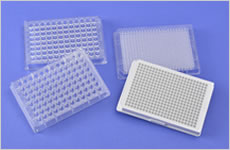
Plate: PrimeSurface™ 96U plate
Cells: Selected 25 cell lines from the Human Glioma Cell Culture (HGCC) collection
Medium: Serum-free neural stem cell (NSC) medium, supplemented with B-27, N2, EGF, and FGF
Culture: Matrigel was overlaid onto the medium on Day 3 for invasion assay, followed by 6 days of culture
Observation: MCTS were imaged every 6 hours for 3 days starting from 3 days after Matrigel overlay
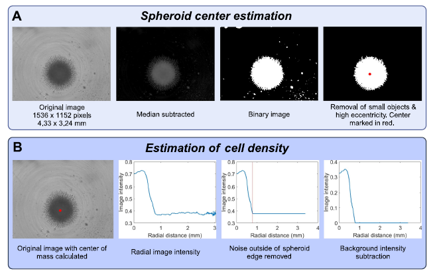
Data Processing: The spheroid center was estimated from brightfield images, and cell density was estimated as a function of radius distance from the center. Data successfully obtained from 18 cell lines were used for model construction.
(For details, please refer to the paper)
| Cat # | Product name | Well | Color | Bottom design | Well Vol | Package |
|---|---|---|---|---|---|---|
| MS-9096UZ | PrimeSurface™ 96U | 96 | Transparent | U bottom | 300 μL | Individual packaging 20 plates per case |
Remark
 FAQ
FAQ