

August 18, 2026
Sumitomo Bakelite Co., Ltd. (Headquarters: Shinagawa-ku, Tokyo; President and Representative Director: Shinichi Kajiya) has developed a compact, high-power-density 3D SiC-MOSFET power module with a resin-insulated dual-layer structure through joint research with Tohoku University. This achievement was realized under the framework of the Co-creation Research Center established by Sumitomo Bakelite Co., Ltd. and Tohoku University in January 2025, and provides a technological foundation for delivering innovative value to next-generation electric vehicles and energy equipment.
We actively participated from the conceptual design stage of the module and proposed an optimal structure from the perspective of a materials manufacturer. We believe this capability is an important factor in strengthening our competitive advantage in the field of power electronics and will contribute to future growth and improved profitability. Going forward, we will continue to develop high-performance resin materials that address diverse market needs and contribute to the advancement of the next-generation electrified society.
Background
With the increasing demand for higher-performance electric vehicles (EVs) and longer driving ranges, the importance of reducing vehicle weight and minimizing the footprint of powertrain systems continues to grow. In power electronics applications such as motor drive inverters, achieving higher system efficiency while managing the increasing heat generated by power devices has become essential. Against this backdrop, research and development of next-generation power modules capable of delivering higher power density while enabling smaller and thinner inverter systems is accelerating worldwide.
Outline of this Development
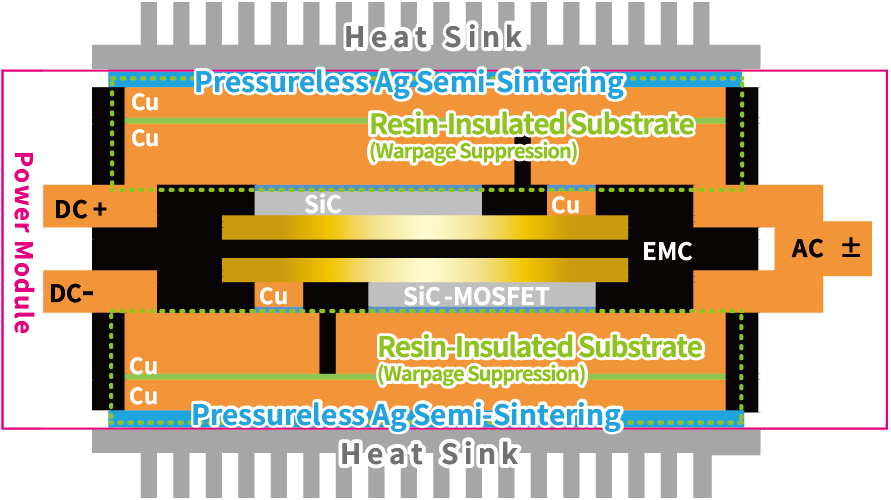
We realized Tohoku University’s vision for a world-leading high-power-density inverter by combining our proprietary portfolio of advanced functional resin products. By optimizing the thermal expansion characteristics and elastic modulus of the resin insulated substrate and epoxy molding compound, we significantly reduced module warpage. In addition, the adoption of an Ag semi-sintering bonding material dramatically improved bonding reliability with the heat sink. As a result, the developed power module contributes to achieving an inverter power density of 300 kVA/L while providing high reliability.
Key Features
❶ Suppression of Warpage Using Resin-Insulated Substrates
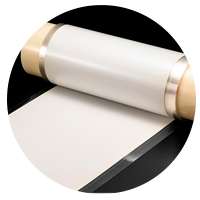
By replacing conventional ceramic insulated substrates with resin-insulated substrates, the mismatch in the coefficients of thermal expansion between the substrate and copper is significantly reduced, suppressing power module warpage to 20 μm or less.
❷ Reduced Thermal Resistance and Improved Mountability
The use of resin-insulated substrates suppresses module warpage caused by differences in thermal expansion between substrate materials. This enables a thinner Thermal Interface Material (TIM) layer between the module and the heat sink, significantly reducing thermal resistance while ensuring highly reliable bonding to the heat sink and dramatically improving mountability.
❸ Low-Temperature, Pressureless Ag Semi-Sintering Bonding Material
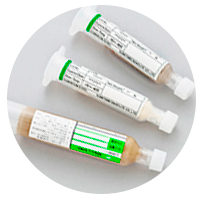
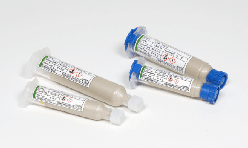
The newly developed Ag semi-sintering TIM enables low-temperature, pressureless bonding, unlike conventional soldering and sintered-silver bonding processes that require high temperatures and high pressure, thereby reducing the thermal stress applied to the module. In addition, its high adhesion and low elastic modulus enable a bond-line thickness of less than 100 μm while significantly improving the reliability and durability of the bonding layer between the module and the heat sink.
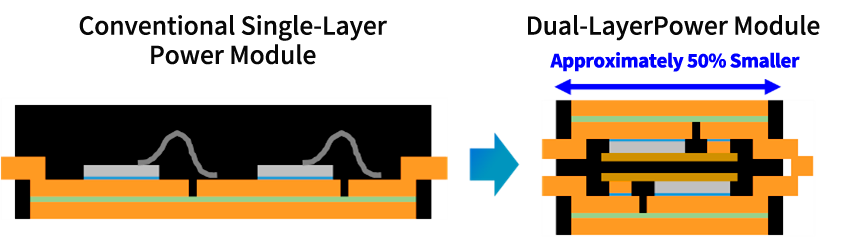
Compared with industry-standard solutions, this technology makes it possible to reduce the volume of power units by approximately 50%. This contributes to creating customer value through more effective utilization of vehicle interior space, resulting in improved passenger comfort and enhanced storage capacity.
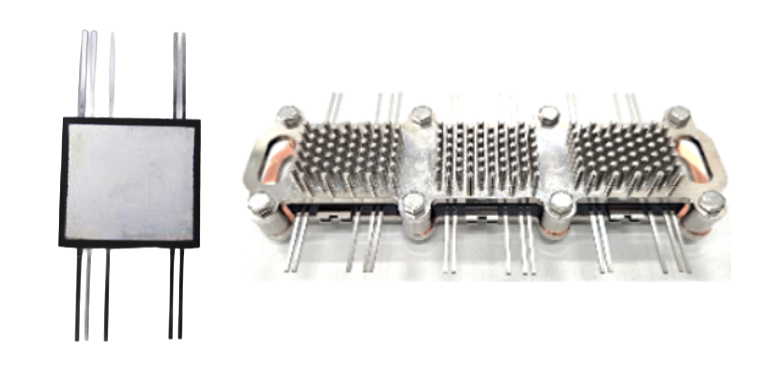
These results were presented at “PCIM Europe 2026,” one of the world’s largest power electronics exhibitions, held in Germany in June 2026.
PCIM Europe 2026
PCIM Europe is one of the world’s leading international exhibitions and conferences in the fields of power electronics, intelligent motion, renewable energy, and energy management. It serves as a platform where experts from industry and academia gather to present the latest technologies, research findings, and industry trends across the entire value chain, from power semiconductors to modules and systems.
Dates: June 9–11, 2026
Venue: Nuremberg, Germany
Official Website: https://pcim.mesago.com/nuernberg/en.html
Overview of the Co-creation Research Center for Next-Generation Semiconductor Materials and Processes
- Established: January 2025
- Location: Aobayama Campus, Tohoku University
- Focus Areas: Power modules, power semiconductors, and AI-related devices
- Research Areas: Materials development, structural design, process development, performance evaluation, and social implementation
This center integrates Sumitomo Bakelite Co., Ltd.’s advanced functional resin material technologies with Tohoku University's cutting-edge expertise in power device design, process technologies, and evaluation. It conducts R&D across the entire value chain, from materials to systems. Through these activities, the center aims to accelerate advancements in next-generation power semiconductors and related technologies while fostering new research themes and developing highly skilled talent.
Related Information


Contact Information
Information & Telecommunication Materials Div., Sumitomo Bakelite Co., Ltd.
TEL: +81-3-5462-4015