Available until Oct. 31, 2026
* We apologize, but due to a technical issue during the recording,
the first minute or so of Dr. Sakaguchi’s presentation is unavailable in this archived video.
Our Speakers
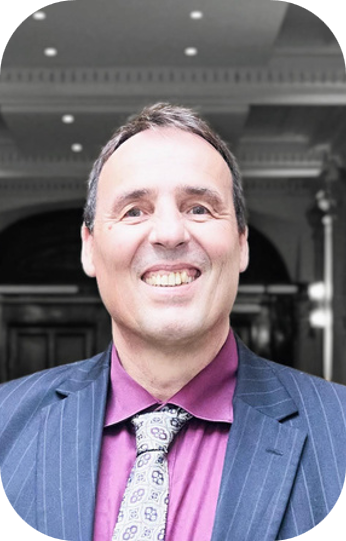
Hideya Sakaguchi, M.D., Ph.D.
Title:
Chief, Department of Precision Medicine and Drug Discovery, Division of Experimental Pharmacology, National Center for Child Health and Development
Biography:
Sakaguchi graduated from the Faculty of Medicine, Kumamoto University in 2008. After four years’ experience as a clinical doctor, he began basic research at the RIKEN Center for Developmental Biology (Sasai Lab), and completed his doctoral studies at the Graduate School of Medicine, Kyoto University in 2016 (Doctor of Medicine). Then he worked at the Kyoto University Center for iPS Cell Research and Application (Takahashi Jun Lab), the Salk Institute (Gage Lab), and RIKEN BDR (Sakaguchi lab as a PI) before assuming the current position. His research achievements includes the generation of hippocampal, choroid plexus, and spinal cord organoids first in the world, and his current research aim is promotion of a wide range of basic and applied research on neural organoids.
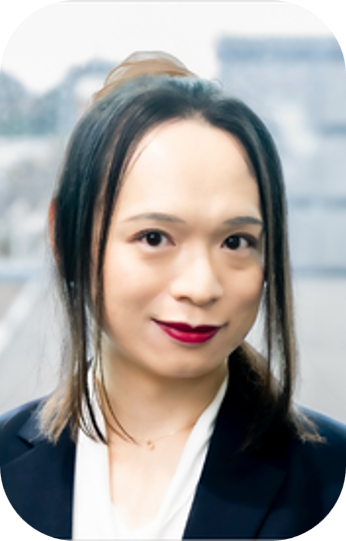
Thomas Mitchell
Title:
The Organoid Company, CEO & Co-founder
Biography:
Thomas Mitchell is an international biotech executive and drug development expert who has taken assets from discovery to market approval across small molecules, microbiome therapeutics, antibody, cell, and gene-based therapies. He was one of the first employees at Finch Therapeutics, where he managed drug development programs through a Takeda collaboration building the foundation for a NASDAQ listing, and later led the Genentech IBD alliance at Microbiotica, a collaboration valued at $534M. As CEO of BiomeBank, he restructured the company into a global leader in microbiome drug development and drove it to a first-in-class product approval. He now leads The Organoid Company alongside Valley Biosciences, where his work in age-related disease draws on deep expertise in DNA repair, senescence biology, and laboratory automation. Throughout, he has challenged biotech convention by building capital-efficient, self-sustaining ventures. At today's talk, he presents on lights-out, fully automated mass production of organoids — removing the bottlenecks that have kept organoid technology a specialist pursuit.
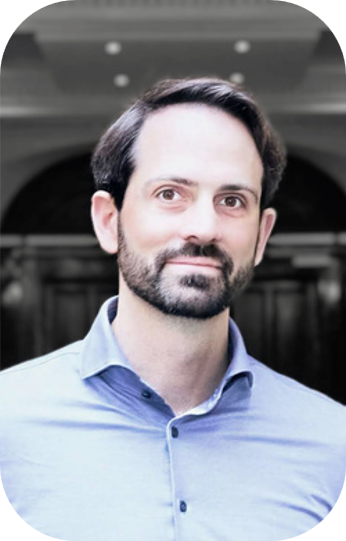
Prof. Ernst Wolvetang
Title:
The Organoid Company, CSO & Co-founder
Professor, The University of Queensland
Biography:
Professor Ernst Wolvetang is a global leader in stem cell biology and organoid development, and one of the most recognisable figures in the field. He earned his PhD from the University of Amsterdam, completed postdoctoral training at Monash University, and helped pioneer human embryonic stem cell research in Australia — personally bringing the first hESC lines to Queensland and publishing a first-author Nature Biotechnology paper identifying CD30 as a marker of genetically abnormal stem cells. Since 2008 he has led the Stem Cell Engineering Laboratory at the Australian Institute for Bioengineering and Nanotechnology (AIBN), University of Queensland, where he is a Professor of Stem Cell Biology and directs the Australian Organoid Facility. His group builds CRISPR-edited brain and spinal cord organoids to model neurological disease, ageing, and drug-resistant epilepsy, increasingly through robotic automation and high-content imaging. A recipient of the LSQ Regenerative Medicine Prize, inventor on multiple patents, and scientific advisor to the Massimo Foundation and Genetic Cures for Kids, he presents today on the science and promise of organoid technology.